
Amber Memory
- Contribution
- Product Design. Design Engineering, Interaction Design, Motion Design
A mobile platform that helps users maintain meaningful personal relationships through emotionally-aware AI assistance.
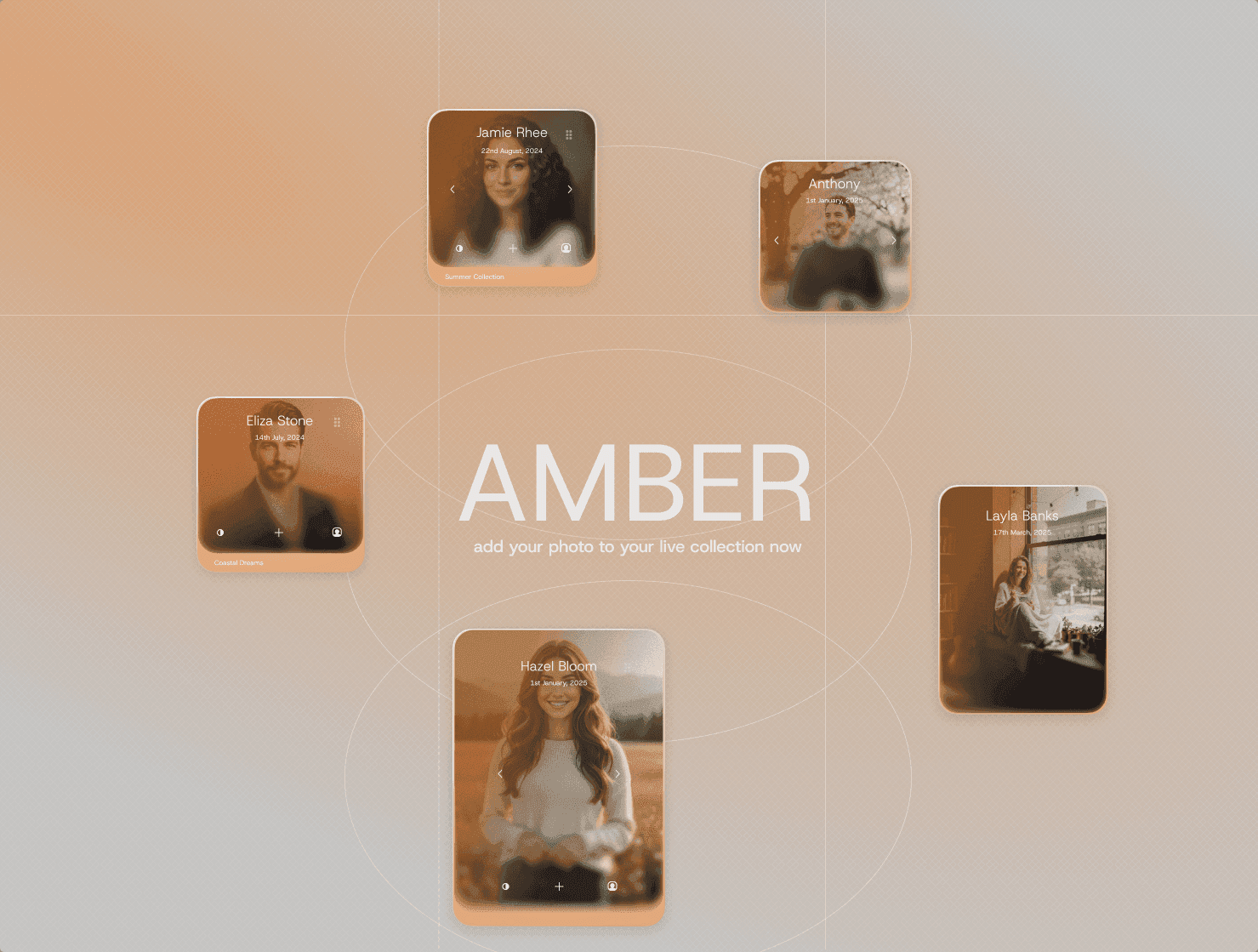
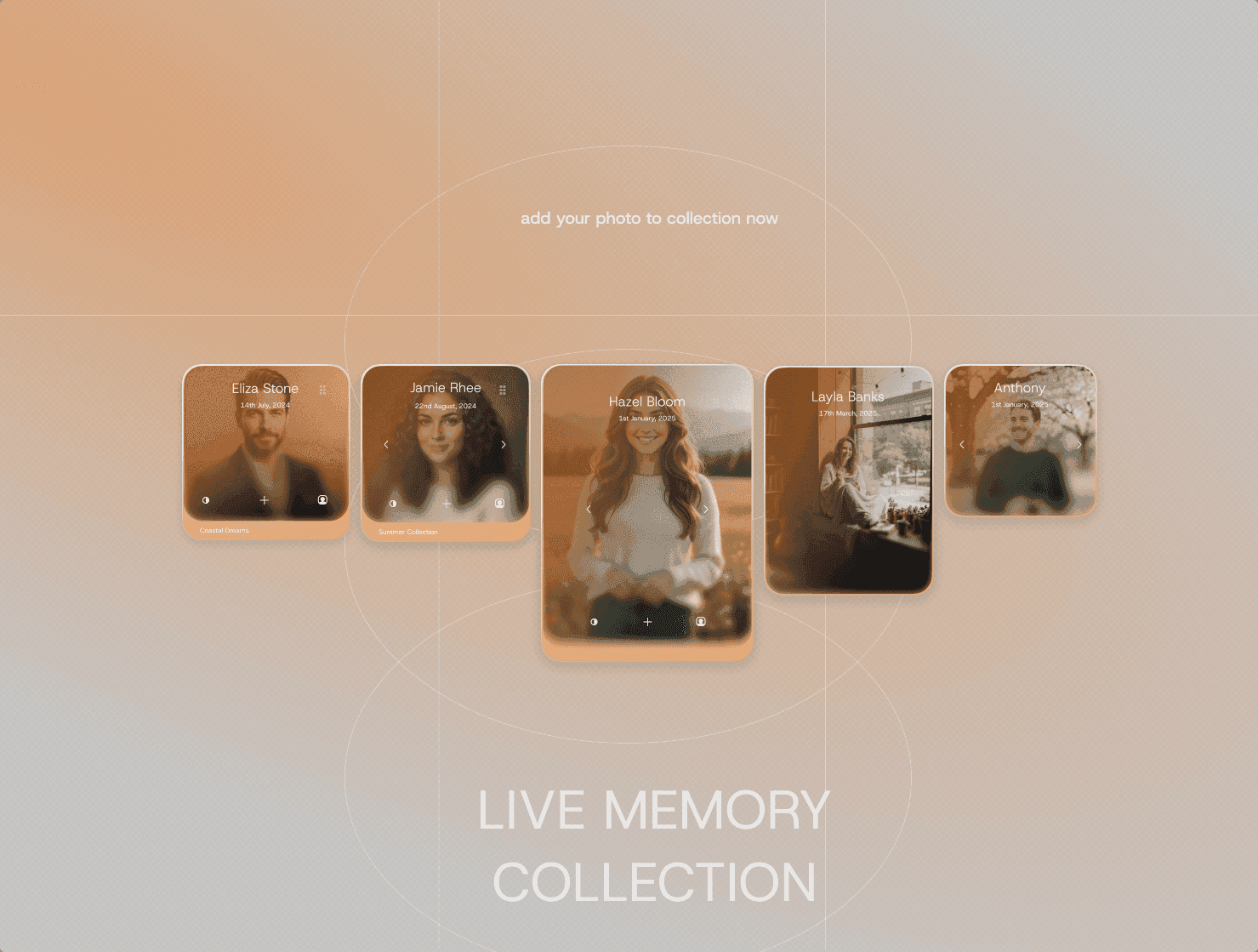
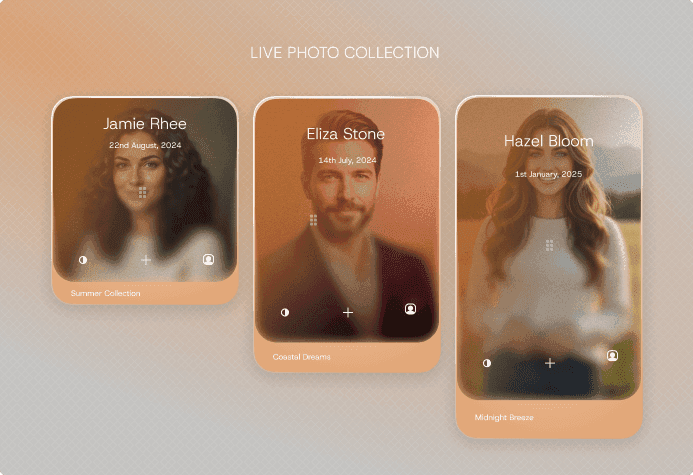
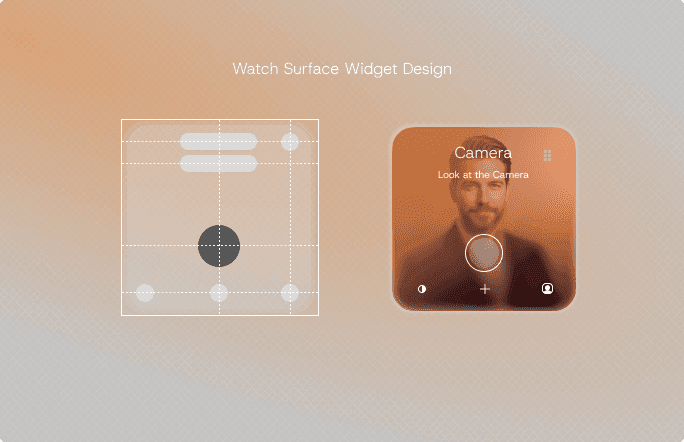
A mobile platform that helps users maintain meaningful personal relationships through emotionally-aware AI assistance.
Amber Memory helps users maintain meaningful relationships through emotionally-aware AI assistance. Instead of treating people as static contacts, the platform organizes memories, conversations, and emotional context into a living relationship layer designed around warmth and continuity.
The interface explores how AI and interaction design can support human connection in a calm and natural way. Through soft motion, ambient visuals, and contextual intelligence, Amber Memory creates an experience focused on presence, intimacy, and long-term relationships rather than productivity.
Built on React, TypeScript, Vite, Tailwind, framer-motion, and shadcn-style Radix primitives. Sourced from Figma via the design MCP, shipped through PRs, deployed to Vercel.